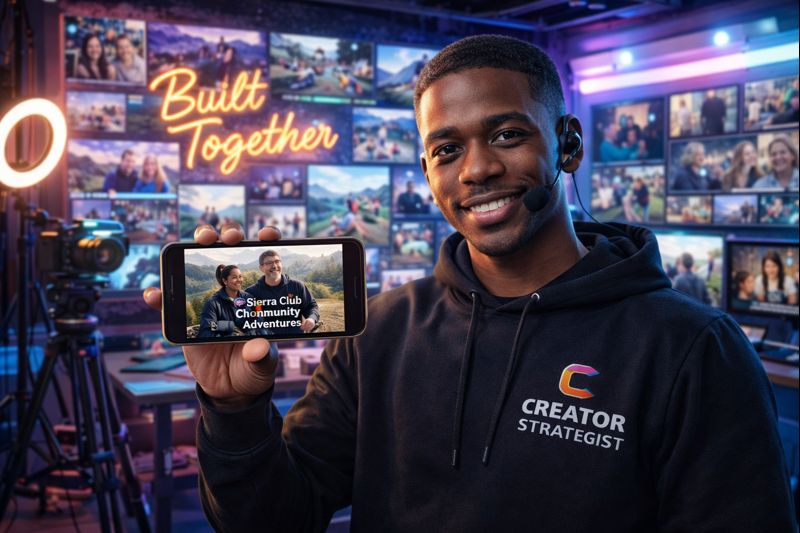
How Brands Can Build With Their Communities
co-creation marketing starts when a brand stops talking at people and starts building with them.
Picture a busy online space where followers do more than scroll and like.
They speak back, add ideas, remix content, and feel proud of what they help create.
This shift is changing how trust, growth, and loyalty are built online.
People no longer want to be silent fans watching from the sidelines.
They want to feel seen, heard, and valued by the brands they follow.
This is why co-creation marketing is becoming one of the strongest growth tools today.
It turns everyday followers into active partners in a brand’s story.
Table of Contents
What Co-Creation Really Means in Modern Marketing
Co-creation marketing is the process of building content, ideas, and value together with your audience.
Instead of brands controlling every message, they invite users into the creative process.
This can include videos, reviews, ideas, feedback, or shared campaigns.
The audience becomes part of the brand, not just a target.
This approach builds emotional connection faster than traditional ads.
People trust content made by people like them more than polished brand messages.
That trust fuels engagement, sharing, and organic growth.
This is the foundation that co-creation marketing stands on.
Why Followers Want to Become Co-Creators
People crave belonging in digital spaces that feel crowded and noisy.
When a brand invites input, it signals respect and openness.
Followers feel their voice matters and their ideas have weight.
This sense of ownership makes them more loyal over time.
They stop seeing the brand as a company and start seeing it as a community.
Communities grow faster because members invite others in naturally.
That is why co-creation marketing feels human instead of forced.
It mirrors how real friendships and groups form offline.
The Role of User-Generated Content in Co-Creation
User-generated content is the fuel that powers co-creation marketing.
It includes videos, posts, comments, and stories made by real users.
This content feels authentic because it is raw and relatable.
When brands feature UGC, they validate their audience publicly.
That validation encourages even more people to participate.
The cycle repeats and grows stronger with time.
UGC also helps brands scale content without burning out teams.
This balance of trust and scale is hard to beat.
From Passive Scrolling to Active Participation
Most followers start as quiet observers.
They watch content without engaging or contributing.
Co-creation marketing gently invites them to step forward.
Simple prompts like questions or challenges lower the barrier.
Featuring one user can inspire hundreds more.
People think, “If they can do it, so can I.”
This social proof drives participation naturally.
That is how silent followers turn into visible co-creators.
How FlipITAI Supports Co-Creation at Scale
Platforms like flipitai are built for this new model of marketing.
FlipITAI helps creators turn their content into shared growth assets.
It also allows flippers to remix and distribute that content across platforms.
This structure supports co-creation marketing without chaos.
Creators keep ownership while flippers help content travel further.
Everyone benefits from shared reach and shared rewards.
This system turns UGC into a living ecosystem.
It shows how co-creation marketing works in real life.
Turning Content Into a Two-Way Conversation
Traditional marketing speaks in one direction.
Co-creation marketing listens and responds.
Brands ask for ideas, reactions, and opinions.
Followers shape the direction of future content.
This feedback loop builds stronger alignment with audience needs.
People engage more when they see their ideas reflected back.
It feels like a conversation, not a broadcast.
That is where loyalty is built.
Small Invitations That Lead to Big Impact
You do not need massive campaigns to start.
Simple calls for opinions can spark engagement.
Asking followers to remix content works even better.
Featuring user responses builds momentum.
Each small action signals openness and trust.
Over time, this becomes part of the brand culture.
That culture attracts people who want to contribute.
This is co-creation marketing in motion.
Why Trust Grows Faster With Co-Creation
Trust grows when people feel involved, not sold to.
Co-creation marketing removes the wall between brand and audience.
Transparency becomes natural instead of scripted.
Mistakes feel human instead of harmful.
Users forgive brands they feel connected to.
This emotional bond is hard for competitors to copy.
It becomes a long-term advantage.
Trust is the real currency behind co-creation marketing.
The Economics of Co-Creation Marketing
Co-creation marketing is also cost-efficient.
User-generated content reduces production expenses.
Distribution becomes community-powered instead of ad-driven.
Reach expands through shares instead of spend.
This model favors creativity over budget size.
Smaller brands can compete with larger ones.
The return grows as the community grows.
This is why many smart brands are shifting focus.
Monetizing Participation Without Exploiting Users
Fair systems reward contributors, not just platforms.
FlipITAI’s flipper model shows this balance clearly.
Flippers help spread content and earn from performance.
Creators benefit from extended reach and traffic.
This shared incentive keeps the ecosystem healthy.
It aligns effort with reward.
That alignment is critical for sustainable co-creation marketing.
Everyone wins when value flows both ways.
Designing Content People Want to Build On
Not all content invites co-creation.
Simple, flexible formats work best.
Short videos, prompts, and stories are easy to remix.
Clear themes give users direction without limits.
This balance encourages creativity.
People feel guided but not controlled.
That freedom drives higher-quality contributions.
It strengthens co-creation marketing outcomes.
Community Rules That Protect Creativity
Healthy communities need clear boundaries.
Guidelines help keep contributions respectful and aligned.
They protect both creators and participants.
Transparency builds confidence in the process.
People contribute more when rules feel fair.
Moderation should support creativity, not silence it.
This balance keeps communities safe and open.
Strong foundations make co-creation marketing last.
Measuring Success Beyond Likes and Views
Co-creation marketing success goes deeper than surface metrics.
Look at repeat participation and community growth.
Track how often users return to contribute.
Watch how content evolves through remixes.
These signals show real engagement.
They reflect emotional investment, not just attention.
Long-term value comes from relationships, not spikes.
This mindset changes how success is defined.
Signals That Show Co-Creation Is Working
Users start tagging the brand unprompted.
They defend the brand in comments.
They suggest ideas without being asked.
They invite others into the space.
These behaviors show ownership.
Ownership is the highest level of engagement.
It cannot be bought with ads alone.
It is earned through co-creation marketing.
The Future of Co-Creation and Community Growth
The future belongs to brands that share control.
Audiences will expect participation, not persuasion.
Platforms like flipitai are early examples of this shift.
They show how creators and communities can grow together.
As algorithms change, human connection matters more.
Co-creation marketing adapts better than static strategies.
It evolves with the community.
That adaptability is key to long-term relevance.
Conclusion
Co-creation marketing transforms followers into partners, not spectators.
It builds trust, loyalty, and growth through shared ownership.
User-generated content becomes a bridge between brand and community.
Platforms like flipitai make this model scalable and fair.
The brands that win will listen more than they speak.
They will invite ideas instead of pushing messages.
They will grow communities, not just audiences.
That is the true power of co-creation marketing.
We strongly recommend that you check out our guide on how to take advantage of AI in today’s passive income economy.