
Why People Trust People More Than Brands
How Attention Turns Into Action in Modern Feeds
UGC conversion psychology explains why people click, pause, and buy when real humans speak instead of brands.
Picture someone scrolling late at night, thumb moving fast, brain tired, and emotions open.
A short video appears with a calm voice, a real face, and a simple story that feels familiar.
There are no flashy ads, no loud promises, just someone explaining a problem they already had.
This moment feels safe, human, and honest, which is where trust quietly begins.
That trust is the doorway where curiosity walks in and resistance walks out.
This is the invisible power behind modern user-generated content and why it converts.
Understanding this moment is the foundation of UGC conversion psychology.
Table of Contents
The Brain’s First Reaction to User-Generated Content
The human brain reacts to UGC before logic has time to speak.
Faces, voices, and emotion are processed faster than text or polished graphics.
When someone sees a creator speak casually, the brain tags it as a social interaction.
This triggers familiarity, which lowers the mental walls people use to block ads.
UGC conversion psychology works because it feels like a recommendation, not a pitch.
The brain says, “This person is like me,” before asking, “What are they selling?”
That split second creates attention without pressure.
Attention without pressure is where conversions are born in UGC conversion psychology.
Trust Signals Hidden Inside Everyday Content
Trust does not come from perfection.
It comes from small flaws, pauses, and natural emotion.
A shaky camera or casual tone signals honesty instead of manipulation.
Viewers subconsciously believe effort was low but intent was real.
UGC conversion psychology relies on these micro-signals to build belief.
When creators share personal results or struggles, the message feels earned.
This is why testimonials outperform polished brand ads.
Trust compounds when UGC conversion psychology is applied consistently across content.
Why Relatability Beats Authority
Authority once meant logos, offices, and expensive production.
Today, authority feels closer to shared experience.
People trust someone who looks like them more than someone who talks above them.
Relatable creators activate empathy instead of intimidation.
UGC conversion psychology thrives when viewers feel understood, not talked down to.
A simple “this worked for me” carries more weight than expert jargon.
The brain relaxes when it feels equal.
That relaxed state increases action through UGC conversion psychology.
The Emotional Path From Click to Conversion
Every conversion is an emotional journey before it is a logical one.
First comes recognition, where viewers see their own problem reflected.
Next comes relief, when a possible solution appears.
Then curiosity grows as the creator explains how they solved it.
UGC conversion psychology maps perfectly to this emotional flow.
By the time logic arrives, the decision already feels safe.
This is why long explanations are not needed.
Emotion carries the weight in UGC conversion psychology.
Micro-Stories That Move People to Act
Short stories outperform long explanations in fast feeds.
A beginning, a struggle, and a simple outcome is enough.
These micro-stories mirror how the brain stores memory.
People remember feelings, not features.
UGC conversion psychology uses story to anchor belief quickly.
When viewers imagine themselves in the story, desire forms naturally.
Desire does not need pushing when it feels personal.
That is the silent strength of UGC conversion psychology.
Visual Imagination and Mental Simulation
When creators describe results clearly, the brain fills in pictures.
Viewers imagine their own screen, their own growth, their own wins.
This mental simulation increases perceived value without effort.
The brain treats imagined success almost like real success.
UGC conversion psychology taps into this by showing outcomes, not dashboards.
Words like “before” and “after” guide the mind smoothly.
Clear visuals in speech create internal proof.
Internal proof drives action in UGC conversion psychology.
Why Social Proof Multiplies Conversion Rates
People look to others when making uncertain decisions.
This behavior is wired deep into human survival instincts.
When many creators share similar results, doubt fades quickly.
Social proof removes the fear of being wrong.
UGC conversion psychology uses numbers, comments, and engagement as signals.
A single comment saying “this worked” can outperform an ad headline.
The crowd becomes silent validation.
Validation accelerates trust in UGC conversion psychology.
Platform Behavior and Attention Economics
Each platform trains users to consume differently.
Short-form video trains fast judgment and emotional scanning.
UGC fits this pattern better than traditional content.
Creators speak in the language of the platform naturally.
UGC conversion psychology adapts to attention patterns, not against them.
This is why UGC scales faster than SEO alone.
It meets people where they already are.
Meeting people where they are is core to UGC conversion psychology.
How FlipITAI Structures Conversion Psychology at Scale
This is where flipitai changes the game for creators.
FlipITAI is built around understanding UGC conversion psychology, not guessing content.
Creators use real traffic data to identify emotional hooks that already work.
Instead of creating blindly, they amplify proven reactions.
UGC is repurposed into multiple formats without losing authenticity.
This keeps trust intact while reach expands.
The system respects human behavior, not algorithms alone.
That respect is why UGC conversion psychology performs better inside flipitai.
Why Flippers Win With Psychological Alignment
For flippers, psychology is leverage.
Using flipitai, flippers identify UGC with proven pull.
They distribute content where attention already exists.
No guessing, no hoping, just alignment with human response.
UGC conversion psychology becomes a repeatable system, not luck.
Flippers earn by amplifying what already converts.
Creators earn by sharing authentic stories.
This shared value loop strengthens UGC conversion psychology.
The Feedback Loop That Improves Conversion Over Time
Every view, click, and comment feeds the system.
Patterns emerge as emotions repeat across audiences.
What triggers curiosity today informs tomorrow’s content.
This creates a living feedback loop.
UGC conversion psychology improves with repetition and data.
Creators learn which words, tones, and stories work best.
Flippers learn which formats travel fastest.
Learning compounds inside UGC conversion psychology systems.
From Attention to Income Without Breaking Trust
Monetization often breaks trust when done poorly.
UGC avoids this by leading with value first.
When help comes before the offer, resistance disappears.
Viewers feel guided, not sold to.
UGC conversion psychology protects trust while driving income.
This balance is rare and powerful.
Trust becomes the asset, not just traffic.
Trust is the currency of UGC conversion psychology.
Conclusion
The future of growth belongs to those who understand human behavior deeply.
Algorithms change, platforms shift, and tactics expire.
Psychology remains constant because people remain human.
UGC conversion psychology works because it honors emotion, trust, and relatability.
Systems like flipitai turn this understanding into scalable results.
Creators tell real stories that connect.
Flippers amplify what already works using flipitai.
When psychology leads, conversion follows, and growth becomes natural through UGC conversion psychology.
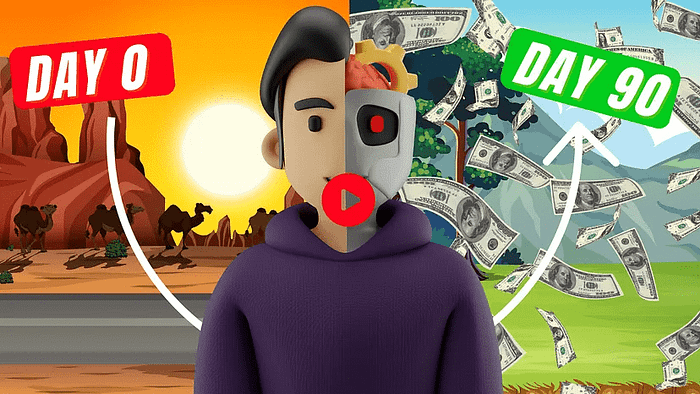
We strongly recommend that you check out our guide on how to take advantage of AI in today’s passive income economy.